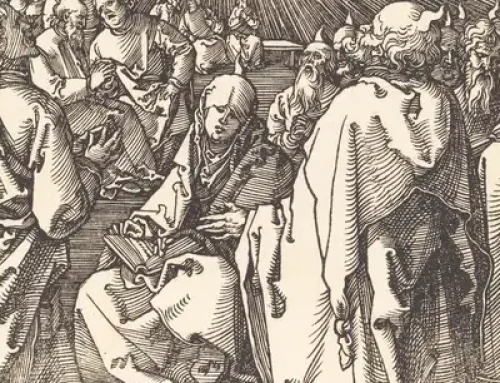
The Assumption
In the same month I was born, Pope Pius XII infallibly proclaimed the truth of the Assumption of the Blessed Virgin Mary. He wrote in his Apostolic Constitution: ‘The Immaculate Mother of God, Mary ever Virgin, when the course of her early life was ended, was taken up body and soul into the glory of heaven.’
Even though it was only infallibly proclaimed seventy six years ago, it has been the teaching of the Church from earliest times. The term assumption is a biblical metaphor expressing the final destiny of the faithful. Mary is the perfect reflection of Christ, the template of all Christians. Her assumption is a sign of hope for the world, a guarantee that God will realise his saving plan for humankind. As Mary is now, we are to be. As we celebrate this feast, we remember our ultimate destiny to be with God. Father Fio Mascarenhas, in his book on Mary, writes that Mary’s Assumption is not a personal reward: ‘It is a pledge of the fulfilment of the promises of God for all of humanity – for she is the model of the people of God, and where she is now, all the elect must hope to be one day!’
The Assumption of Mary has been a subject of Christian art for centuries, and its feast day was made a public holiday in England by King Alfred the Great in the 9th century. St John of Damascus describes the origin of this belief in these words:
St Juvenal, Bishop of Jerusalem, at the Council of Chalcedon [AD 451], made known to the Emperor Marcian and Pulcheria, who wished to possess the body of the Mother of God, that Mary died in the presence of all the apostles, but that her tomb, when opened, upon the request of St Thomas [who arrived late], was found ’empty’; wherefrom the apostles concluded that the body was taken up to heaven.
Eastern Orthodox churches celebrate the feast of the Dormition of the Mother of God on August 15, the same day that the Catholic Church celebrates Mary’s Assumption. When I think of this feast, I recall the beautiful Dormitian Church in Jerusalem run by the German Benedictines. In the centre, under a rotunda, is a simple bier on which rests a life-size statue of Mary, fallen asleep in death and waiting the assumption. The statue is made of cherry-wood and ivory.
In celebrating this feast this year can we pray for all those who are contemplating their own death. Some people can no longer face the pain and suffering of their illness. They want to hasten their end. Let us commend them to our loving Mother, with the words we say in the Hail Mary — pray for us now and at the hour of our death.
Here is something to ponder:
If Mary’s Assumption is a preview of what God intends for every human person — body and soul together in glory — how does that change the way you think about your own body, your suffering, and your death?