Love
In this Sunday’s gospel, Jesus responds to a lawyer who asks, ‘Teacher, which is the greatest commandment in the Law?’ He replies: ‘Love the Lord your God with all your heart, soul and mind. This is the first and greatest commandment. And there’s a second just like it: love your neighbour as yourself. Everything in the Law and the Prophets rests on these two.’
Today, we might wonder what we really mean by ‘love’. We talk about loving our country, our jobs, our friends, our work, our parents and children, our families, our neighbours and God. I recall being a newly ordained deacon, about to give my first sermon in a local parish; the parish priest warned me, ‘I don’t want to hear all that love stuff.’
Twenty years ago, on Christmas Day, Pope Benedict wrote his first letter, ‘God is Love’ (Deus Caritas Est). He explained that he wrote it because, ‘In a world where God’s name is sometimes linked with revenge or even hatred and violence, this message — God is love — is both timely and important.’ That’s why he wanted his first encyclical to speak about the love God pours out on us, and the love we should share with others.
When we hear Jesus’ answer in this Sunday’s reading, we might ask: can we love God without seeing him? And can love really be commanded? These questions raise two doubts about the double commandment. No one has ever seen God, so how can we love him? And love isn’t something we can simply order; it feels like a feeling that’s either there or not, rather than something we can force with our will. Because God loved us first (see 1 John 4:10), love isn’t just a rule; it’s our warm response to the gift of God’s closeness. This changes everything. Loving God and our neighbours isn’t a chore from outside — it springs from knowing we’re cherished by God in Christ. In a world where God is sometimes linked with anger or even hate, Benedict gently points to the boundless love God pours out on us.
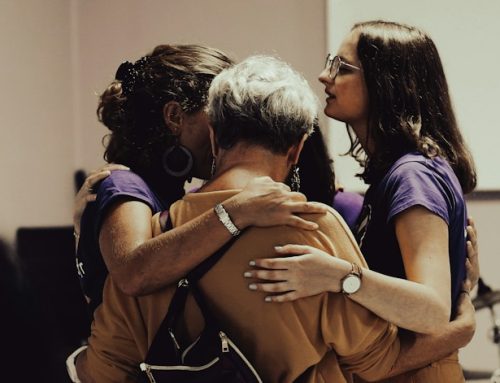
Loving God and loving others go hand in hand — they’re really one single command. Both grow from God’s love for us. Pope Benedict explains that losing either side hurts both. Without any connection to God, we might see others only as people, missing God’s image in them. On the other hand, if we ignore others just to be ‘devout’ or to tick off ‘religious duties’, our bond with God becomes dry — polite but empty. Only being open to others and showing love helps us tune in to God too. The question I need to ask myself is: what aspect of my own daily life feels most challenged by the call to love both God and neighbour simultaneously — and what might that reveal about where God is inviting me to grow?